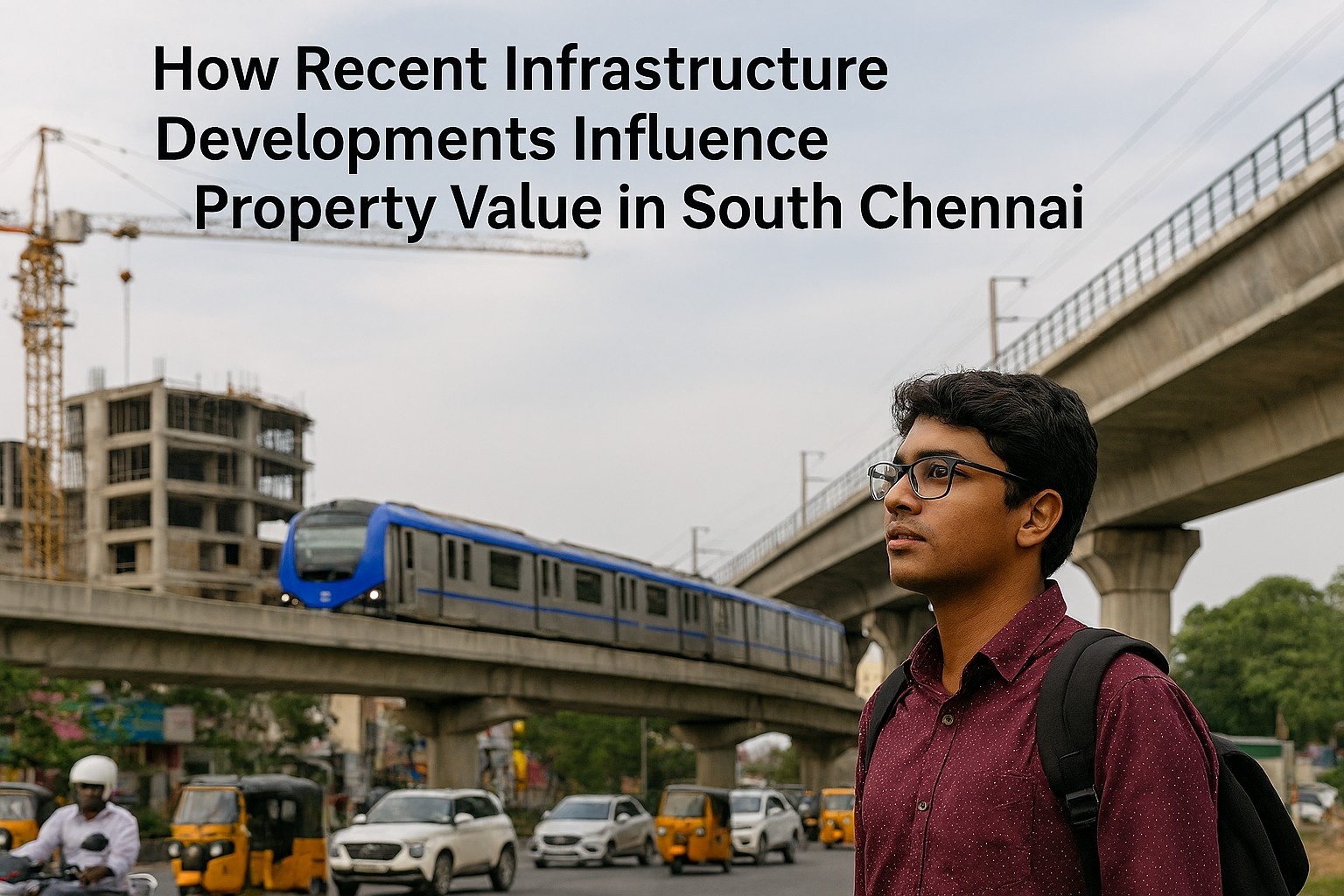
Infrastructure development plays a direct role in shaping real estate value. Roads, metro lines, drainage systems, and social infrastructure do not just improve daily living, they also influence how residential markets grow over time. For homebuyers and early stage investors, understanding this link helps in making informed property decisions.
South Chennai has seen steady infrastructure progress over the past few years. The region benefits from planned road expansions, metro connectivity, improved utilities, and growing social amenities. Due to this, residential demand in South Chennai continues to remain consistent, especially for well planned apartment communities.
Projects such as Opus 96, located in growth focused pockets of South Chennai, reflect how infrastructure driven development supports long term property value. To understand the property appreciation in South Chennai better let us look at the key infrastructure factors influencing real estate appreciation in this region.
Road infrastructure is one of the strongest drivers of residential value. In South Chennai, ongoing road widening projects, improved arterial roads, and better internal connectivity have reduced travel time to major employment and commercial zones.
Better road access improves daily commute efficiency and makes residential neighbourhoods more liveable. Over time, this leads to higher buyer interest and stable demand for apartments. Areas with organised road networks also attract better civic services, which further supports property value growth.
For apartments in South Chennai, consistent road development helps maintain long term relevance and usability.
Metro connectivity has become a key factor influencing residential demand in Chennai. Expansion of metro corridors and planned stations in South Chennai have improved access to key parts of the city.
Properties located closer to metro routes witness increased interest from both end users and tenants. Improved public transport reduces dependence on private vehicles and supports long term rental demand.
For residential projects such as Opus 96, proximity to improving transit infrastructure strengthens the overall value proposition without relying on short term market trends.
Social infrastructure includes schools, colleges, hospitals, retail spaces, and everyday conveniences. South Chennai has seen steady growth in this area, with new educational institutions, healthcare facilities, and neighbourhood retail hubs coming up across residential zones.
Strong social infrastructure supports family oriented living and encourages long term occupancy. This stability directly impacts property appreciation, as buyers tend to prefer areas where daily needs are easily accessible.
Apartments located in areas with balanced social infrastructure tend to retain value even during slower market cycles.
Beyond roads and transport, improvements in water supply, stormwater drainage, power infrastructure, and waste management play a crucial role in residential sustainability.
South Chennai has witnessed focused efforts on drainage improvements and utility upgrades, especially in planned residential layouts. These developments reduce long term maintenance concerns and improve overall quality of living.
For homebuyers evaluating property value factors, civic infrastructure reliability is often as important as location.
Gated communities, approved layouts, and RERA compliant apartment projects align better with long term infrastructure growth as they are designed to integrate with city level planning from the start.
Modern township developments focus on well planned internal roads, dedicated stormwater drainage, efficient water management systems, reliable power infrastructure, and clearly defined open spaces. These features reduce dependency on external fixes and ensure smoother daily living even as surrounding areas continue to develop.
Projects like Opus 96 are planned within such structured frameworks, where internal infrastructure such as landscaped open areas, organised traffic movement, safety systems, and community facilities work alongside external civic upgrades like road improvements and utility networks. This coordinated approach supports steady property appreciation based on usability and livability, rather than short term market speculation.
Due to this level of planning and compliance, homebuyers choose such projects for long term ownership, especially when the focus is on stability, maintenance quality, and future readiness.
In South Chennai, consistent infrastructure development has helped residential markets grow in a measured manner. Apartments in well connected and well serviced areas show stable appreciation and better resale confidence.

In terms of price appreciation, flat rates in Tambaram increased by 5.7 % in the last 1 year, 17.3 % in the last 3 years, 30.3 % in the last 5 year and 53.6 % in the last 10 years.

For buyers focused on long term value, infrastructure driven growth offers clarity and predictability.
Recent infrastructure developments continue to influence property value across South Chennai in a structured and steady way. Improvements in road connectivity, metro access, social infrastructure, and civic utilities support long term residential demand.
Township projects such as Opus 96 benefit from this broader development environment, where planned infrastructure and organised residential layouts work together. For homebuyers and early stage investors, understanding these infrastructure led factors helps in making informed and balanced real estate decisions.

NSPIRE DEVELOPERS LLP (OPUS96)
Kishkinta Ave, Dharkast Rd,
Tambaram, Chennai,
Tamil Nadu 600132
Plot No.'A', No. 36/1,
Gandhi Mandapam Road, Kotturpuram,
Chennai - 600 085.
©2025 Urbanrise Opus96. All Rights Reserved | RERA No: TN/29/Layout/2159/2024


 +91 9873256090
 Get Brochure